
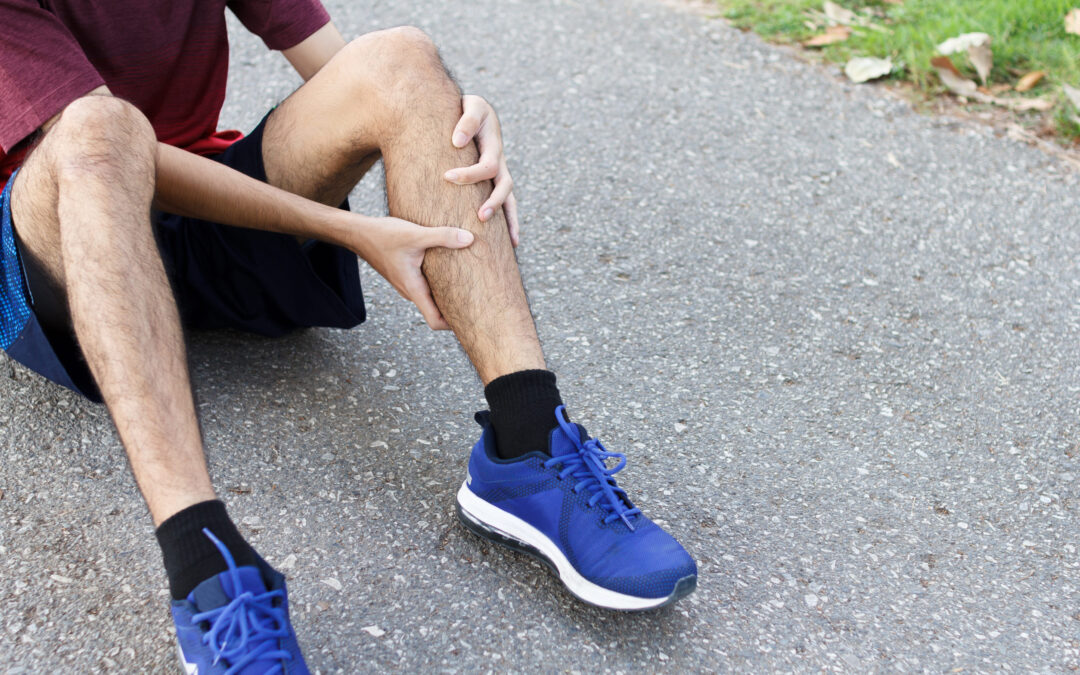
If you’ve recently started training for a race, increased your workout intensity, or jumped into a new fitness routine, you may have noticed a nagging ache along the front of your lower leg. While many people simply call it “shin splints,” this common overuse injury can be your body’s way of warning you that something needs attention.
Shin splints, medically known as medial tibial stress syndrome, affect runners, athletes, and active individuals of all fitness levels. In fact, they are one of the most common lower-leg injuries seen in people who participate in repetitive impact activities such as running, jumping, or sprinting.
Why Shin Splints Happen
Shin splints develop when the muscles, tendons, and connective tissues surrounding the shinbone become overloaded from repetitive stress. This often occurs when activity levels increase too quickly, training intensity ramps up without adequate recovery, or movement mechanics place excessive strain on the lower legs.
Many people describe shin splint pain as a dull ache along the inside or front of the shin. The discomfort may be noticeable at the beginning of a workout, improve slightly as the body warms up, and then return afterward. While this temporary relief can make it tempting to push through the pain, doing so may allow the condition to worsen over time.
In some cases, untreated shin splints can progress to more serious injuries, including stress fractures. That’s why it’s important to pay attention when your body starts sending warning signals.
The Importance of Proper Diagnosis
Not all shin pain is created equal. While shin splints are common, similar symptoms can sometimes indicate a more significant injury. A proper evaluation helps determine exactly what’s causing the pain and identifies factors contributing to the problem.
During an examination, healthcare providers look at activity history, training changes, movement patterns, posture, and foot mechanics. Individuals with flat feet, fallen arches, poor running mechanics, or muscle imbalances may place additional stress on the lower legs, increasing their risk for shin splints.
Identifying these underlying contributors is essential because simply treating the pain without addressing the cause often leads to recurring symptoms.
Looking Beyond the Area That Hurts
One of the biggest misconceptions about shin splints is that the problem exists only in the shin itself. In reality, the body functions as a connected system.
Tight calves, weak hip stabilizers, limited ankle mobility, poor foot mechanics, and imbalances throughout the kinetic chain can all contribute to excessive stress on the lower leg. When these issues aren’t addressed, the body compensates during movement, placing repeated strain on the tissues surrounding the shinbone.
This is why effective treatment focuses on more than symptom relief. Improving mobility, restoring proper joint function, reducing muscle tension, and correcting movement patterns can help decrease stress on the lower legs while supporting long-term recovery.
Recovery and Prevention Go Hand in Hand
Rest can be helpful for reducing irritation and allowing healing to begin, but recovery shouldn’t stop there. Stretching, strengthening exercises, mobility work, and correcting faulty movement patterns all play important roles in preventing future flare-ups.
Small improvements in flexibility, muscle balance, and overall biomechanics can significantly reduce stress on the shinbone and surrounding tissues. Combined with proper training progression and adequate recovery time, these changes help create a stronger foundation for long-term performance.
If you’re struggling with shin splints, don’t ignore the warning signs. Addressing the underlying cause early can help prevent more serious injuries, speed recovery, and get you back to doing the activities you enjoy with greater comfort and confidence.
Chiropractic Methods to Safely Treat Shin Splints in San Antonio
Our San Antonio chiropractic clinic offers a range of specialized chiropractic solutions targeting the root causes of knee pain. Our experienced chiropractor excels in addressing various conditions affecting knee joints and soft tissues, delivering long-lasting relief for patients with diverse needs.
Our chiropractic care team has helped numerous individuals overcome knee pain and resume their favorite activities. With our proven track record, we’re confident in our ability to provide effective, personalized care to improve your knee health and overall quality of life.
The chiropractic solutions we offer to help relieve and heal shin splints include:
- Chiropractic adjustments
- The Graston Technique
- Dry needling
- Myofascial release
- Laser therapy
- Massage therapy
- And more
Contact our San Antonio chiropractic clinic today. We’ll create an in-clinic treatment program that’s complemented with healthy guidance so you can keep your body protected. Don’t wait any longer. You’ve got an active life to return to.